
Published on February 13, 2026
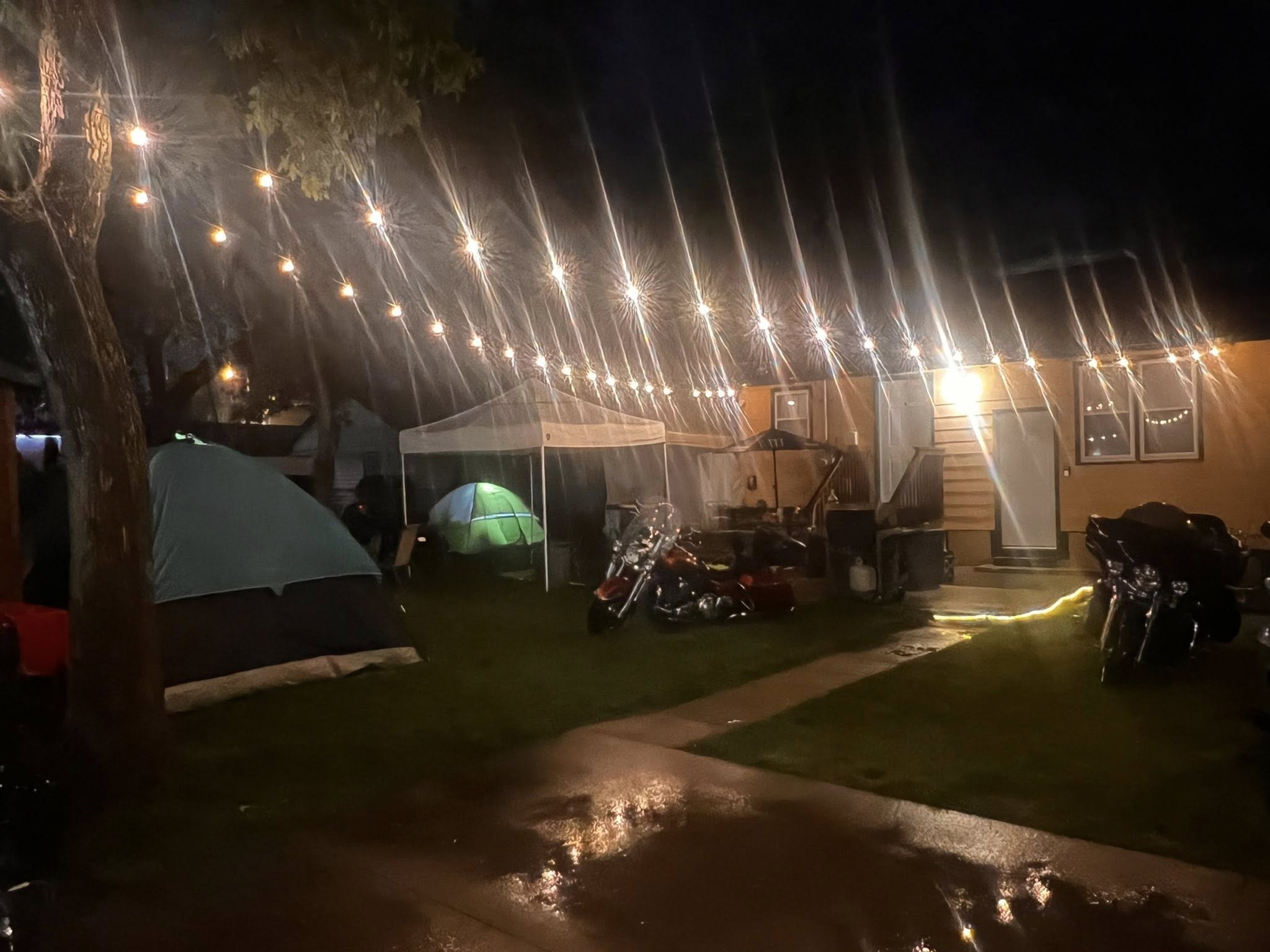
The Sturgis City Council will get its first look Tuesday, Feb. 17, at a potential revision to the residential camping ordinance aimed at improving clarity, fairness, and enforceability for both residents and city staff.
The proposed residential camping ordinance will be introduced at the City Council meeting for informational purposes only, and no action will be taken at that time.
Mayor Kevin Forrester said the goal of the proposed residential camping ordinance is to bring clarity and fairness to the process.
“For too long, we’ve had rules that didn’t reflect how camping actually happens in Sturgis,” Forrester said. “This ordinance is about creating clear expectations so residents know what they can do and neighbors know what they can expect.”
For years, Sturgis residents have opened their properties to campers during the annual Sturgis Motorcycle Rally and at other times throughout the year even though the city’s current ordinance prohibits public camping with more than one camping unit.
As camping activity has grown and evolved, the city is now working to determine the best way to regulate it, balancing the interests of property owners who wish to host guests with the concerns of neighbors and the broader community.
The proposed ordinance is the result of several months of work by the city’s Ordinance Advisory Committee, which was created by the Council in May 2025 to review and modernize sections of the city code.
Alongside the ongoing recodification project, the committee was specifically asked to take a close look at the residential camping ordinance.
Committee members and city staff agreed the existing ordinance has been difficult to enforce consistently over time. Uneven application, unclear thresholds, and reliance on complaint-driven enforcement have created confusion for residents and challenges for staff – especially during the Rally, when demand and impacts are at their highest.
The committee’s goal was to develop an ordinance that reflects how residential camping actually occurs today, while protecting neighborhood compatibility, public health, and safety. The proposed approach is meant to reduce case-by-case judgment calls and instead create clear, consistent rules that can be applied fairly across the entire city.
“This is actually a major expansion of property rights for Sturgis residents,” Forrester said. “We’re giving people more flexibility and a clearer way to participate during Rally, while still putting guardrails in place to protect their neighbors.”
The proposed ordinance would repeal and replace the current residential camping chapter and introduce a clearer, two-track approach:
- Private, non-public camping – camping for friends and family, with no payment or compensation – would be allowed by right at owner-occupied homes, with limits on the number of camping units, campers, and days per year.
- Paid or advertised camping would still be allowed at owner-occupied homes. However, if the number of campers, camping units, or days exceeds the basic limits set in the ordinance, the property owner would need to obtain a permit from the City.
Under the draft, small-scale camping activity remains allowed without a permit, while permits are required only when camping becomes more intensive, commercial in nature, or longer in duration. Permit review would focus on objective factors such as sanitation, emergency access, parking, fire safety, and neighborhood impacts.
The ordinance also maintains a key existing policy choice supported by the committee: limiting residential camping to owner-occupied, single-family properties, rather than vacant lots or non-owner-occupied homes.
Committee members said they are concerned that allowing camping on vacant lots or investor-owned properties could lead people to buy property just for Rally camping, which could change the character of neighborhoods and reduce stability for full-time residents.
For camping that requires a permit, applicants would submit a simple “camping plan” outlining site layout, sanitation, parking, fire safety, and other basic requirements. This allows staff to review proposals in advance, rather than relying on real-time enforcement during peak periods.
The draft ordinance authorizes the City Administrator to impose reasonable conditions when needed, provides a clear appeal path to the Board of Adjustment, and includes graduated enforcement tools intended to improve consistency and fairness.
Mayor Forrester said he supports adopting the ordinance largely in its current form, with only targeted adjustments if needed.
“I hope we pass this in substantially its current form,” he said. “It reflects a lot of hard work and thoughtful discussion. Now we’re ready to hear from the public and continue moving through the review process together.”
Residential Camping – At a Glance
Allowed by Right
Private camping (friends/family, no payment):
- Up to 2 camping units
- Up to 10 campers
- Up to 10 calendar days per year (per parcel)
Public (paid/advertised) camping:
- Up to 2 camping units
- Up to 10 campers
- Up to 10 calendar days per year (per parcel)
Permit Required
Public (paid/advertised) camping above the by-right limits requires a Residential Camping Permit.
With a permit, up to:
- 10 camping units
- 25 campers
Days allowed with a permit:
- Up to 10 calendar days per year (no state sales tax license)
- Up to 20 calendar days per year (with state sales tax license)
- Maximum of 14 consecutive days per camping period
Private camping extension:
May be extended to up to 20 total calendar days per year with City approval and a camping plan.
Not Allowed
Examples include:
- Camping on vacant lots or non-owner-occupied property
- Camping at multi-family properties or HOA common areas
- Using property primarily as a short-term rental for camping
- Encroaching into sidewalks, streets, alleys, or other public areas
- Exceeding unit, camper, or day limits without the required permit